Types Of Bikes

"types of bikes - which is best for you"

Which Type Of Bike Is Best For You?

With so many choices and bike styles, how are you to know what is best for you and your intended usage? This guide will help break down the different segments and show some of their pros and cons. Once you've determined the right type of bike for you, head on over to our  bicycle sizing guide to see what size best suits you.

Exploring Your Bike Options

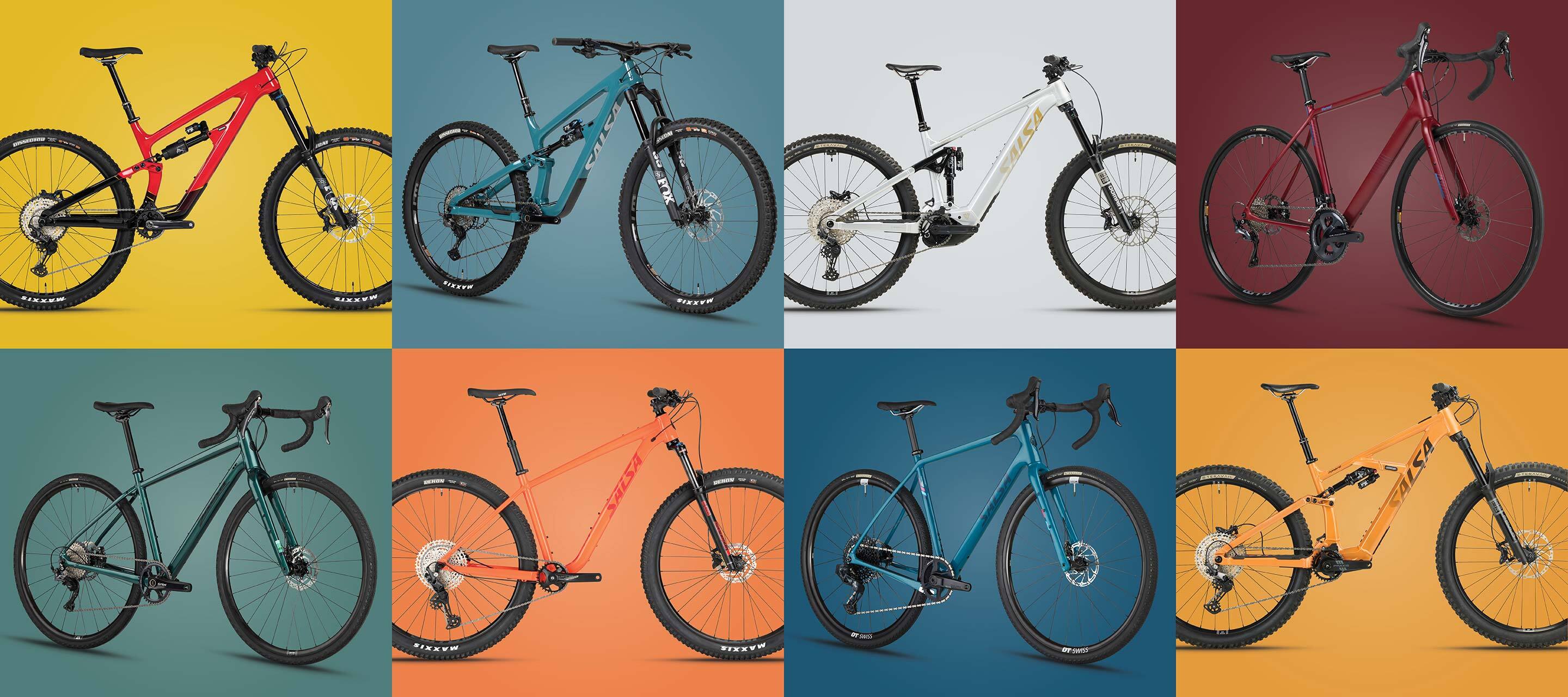
The cycling industry today offers a diverse range of bicycles tailored for various activities. Whether you're eyeing a cruiser bike for leisurely rides around the neighborhood, a road bike for longer and faster rides, or a mountain bike for off-road adventures or bouncing around town, there's something for everyone. For those seeking practicality, a hybrid bike can even replace a car for daily errands.

Learn more about these options below!

Consider Your Riding Purpose

Before making a decision, think about why you plan to ride:

  • Enjoyment: For casual rides, consider comfort and style.
  • Fitness: Opt for a bike that helps with cardio and muscle building.
  • Competition: Look for speed and performance-oriented features.
  • Utility: Consider bikes designed for commuting or carrying loads.

Think About Your Terrain

Where you plan to ride is just as important. Will you stick to city streets, explore gravel paths, or tackle rugged trails? Your environment will influence the type of bike that suits you best.

Budget Basics

Keep in mind your budget. Bikes can range from a few hundred to several thousand dollars. This variation reflects differences in materials like steel, aluminum, carbon fiber, and titanium, as well as the quality of components.

By considering these factors, you'll be equipped to choose a bike that fits your lifestyle and needs.

Matt Donovan,	3rd generation Owner and General Manager of Dedham Bike

By: Matt Donovan,
3rd generation Owner and General Manager of Dedham Bike
Last updated: 1/4/2025

Gravel Bikes

The king of the multi surface rides. With "road bike like" speed, disc brakes and big volume grippy tires a gravel bike can go just about anywhere quickly. Pavement or dirt..no problem!

Pros

  • Lightweight
  • Versatile
  • Speedy on many different surfaces

Cons

  • Not as fast as a true road bike on pavement
  • Slight weight penalty over "classic" road bikes
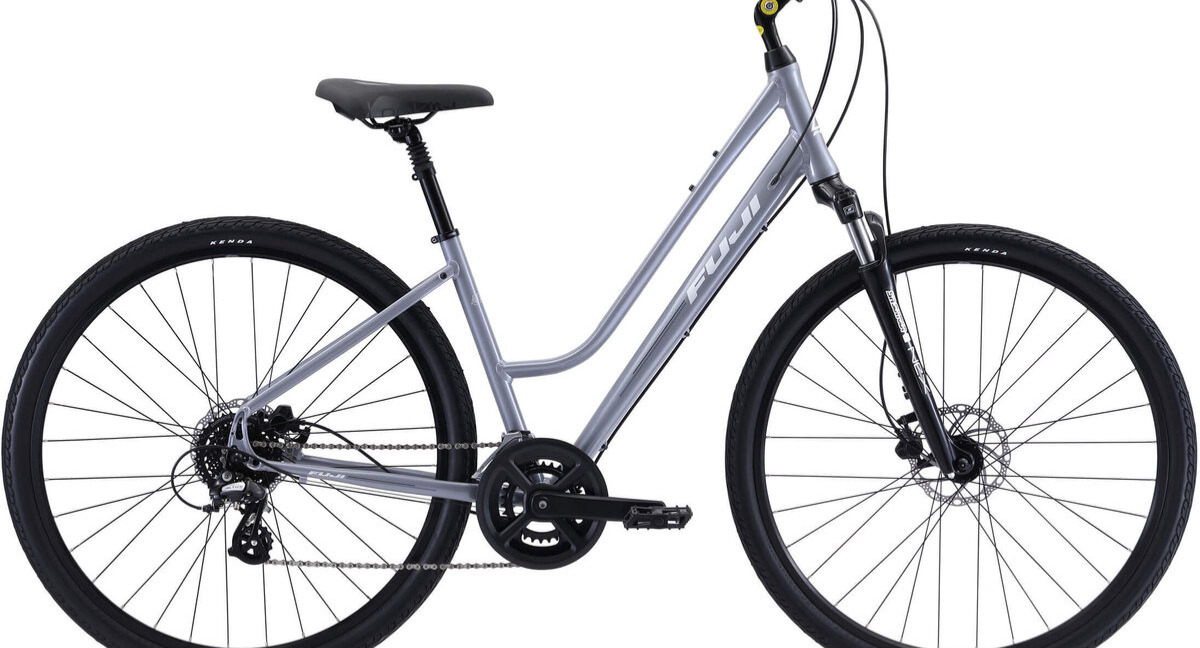
"hybrid bike"

Hybrid Bikes

With comfortable seating and solid durability a hybrid bike is a jack of all trades bicycle. Hybrids are the workhorses of the cycling world. Great for commuting and general fitness.
 

Pros

  • Comfy
  • Durable
  • Easy to ride
  • Lower cost of entry
  • Great for commuting 

Cons

  • Can be heavy compared to a road bike and not as fast
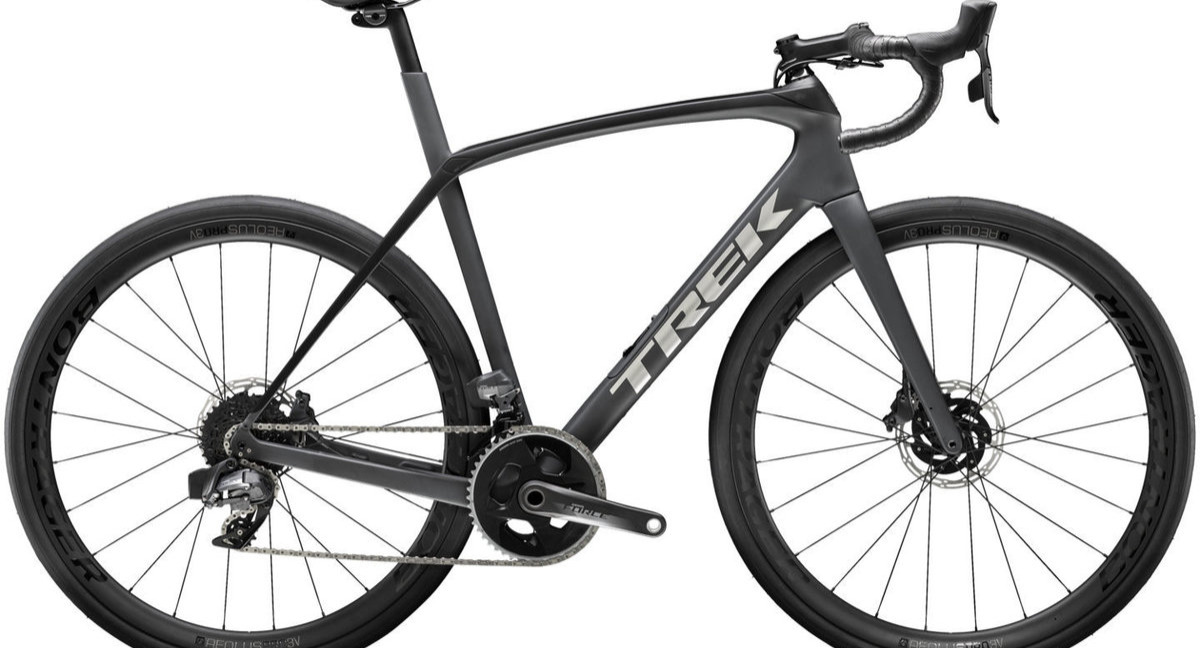
"cannondale road bike"

Road Bikes

The lightweight speed champs. If you are looking to cover ground and climb those hills with less effort nothing does it better than a good road bike.

Pros

  • Lightest of all the bike styles
  • Great climbers
  • Fast

Cons

  • Less durable than a hybrid or mountain bike
  • More finicky positioning - proper fit is a must!
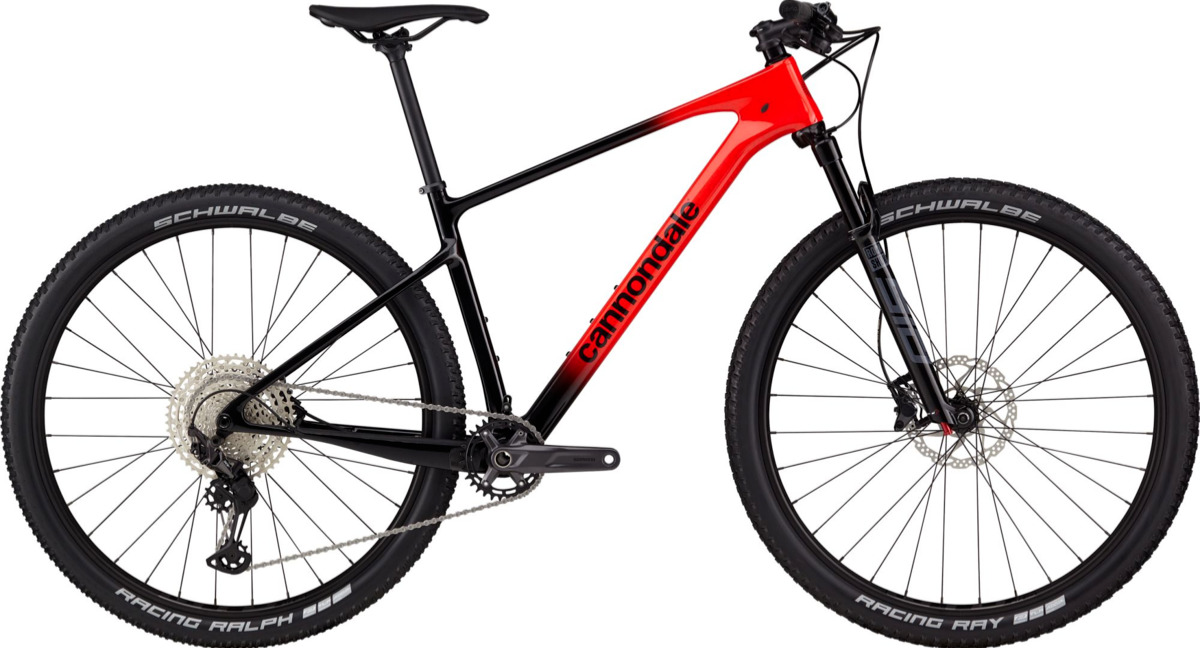
"mountain bike"

Mountain Bikes

The off-road winner. If you're looking to ride in the woods and enjoy skipping over rocks and roots as well as mud, a mountain bike should be your jam.

Pros

  • Super daurable
  • No better option in the woods or on choppy trails
  • Versatility

Cons

  • Heavy compared to a road or hybrid bike
  • Slower on pavement 
"ebike"

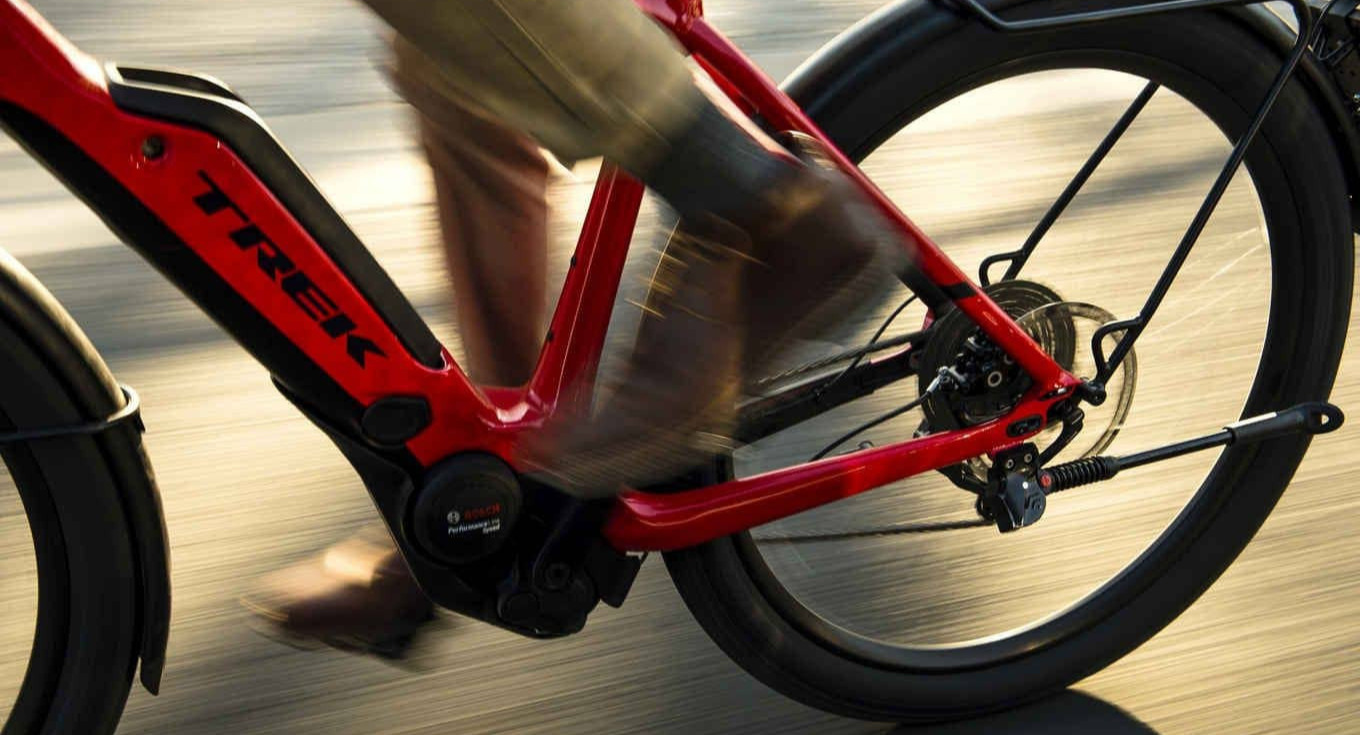
Electric Bikes

Need a little help sometimes in the peddling department?

An e-bike may just be your answer due to it's pedal assist motor and long range capability.

Pros

  • Pedal assist
  • Speed
  • Can replace a car for commuting and errands
  • Great form of excercise

Cons

  • Heavy
  • Upfront expense


"touring bike"

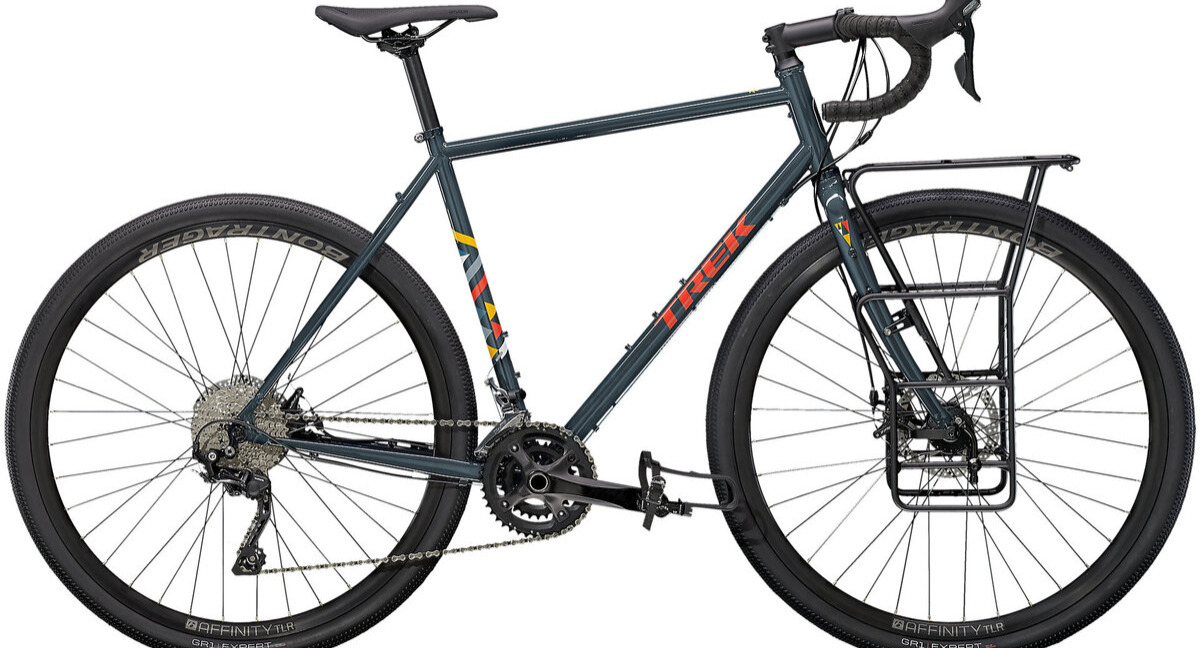
Touring And Bikepacking Bikes

If longer rides, smelling the roses and carrying alot of stuff with you is your thing then a touring bike should be on your radar.

Designed to be very stable and with the ability to carry and haul, a touring bike may just be your next purchase.

Pros

  • Longer wheelbase means added stability at speed
  • More neutral handling
  • Able to carry heavy weights (loaded panniers etc)
  • Durable

Cons

  • A bit heavier than standard road bikes
  • Not a rocket ship 
"urban bikes"

Commuter And Urban Bikes

If you're looking to get around the city or thinking of commuting this is where you want to be. 

With comfortable geometry and added durability and the ability to carry lights loads, an urban commuter might just be the way

Pros

  • Comfortable and stable
  • Design features that are great for commuters
  • Generally a bit more durable than your fitness hybrids

Cons

  • May be heavier depending on model and design
  • Might not be the fastest option if speed is a must
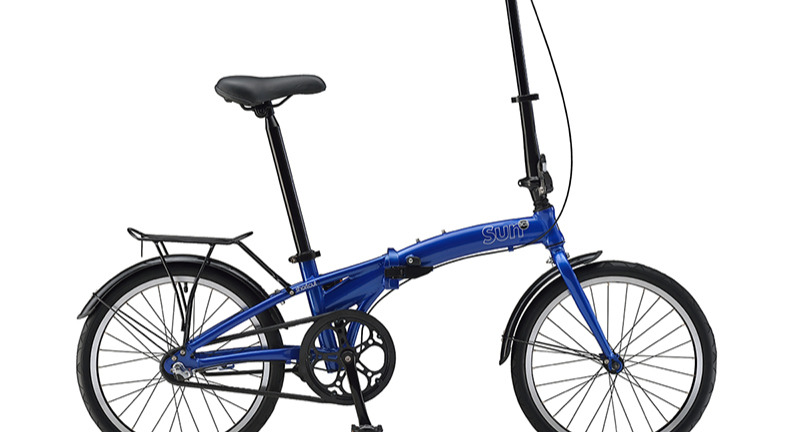
"folding bike type"

Folding Bikes

These bicycles take the cake when it comes to saving space.

Folding bikes are great for apartments, dorms and for storing them in other tight spaces.

Pros

  • Folds up for space savings
  • Lightweight
  • Can take on boats, trains and more

Cons

  • entry level models can be inefficient as compared to standard bikes
"cyclocross bike"

Cyclocross Bikes

Designed to be a road bike with some off-road chops, the original gravel bike if you will.

These bicycles are at home on the race course or as a commuter and the occassional longer bumpy ride. 

Pros

  • Lightweight - makes for a great CX race bike
  • Generally geared lighter than a road bike
  • Can be a great commuter bike or bumpy ride bike

Cons

  • Not a mountain bike
  • Won't beat a road bike in a drag race
"cruiser bike"

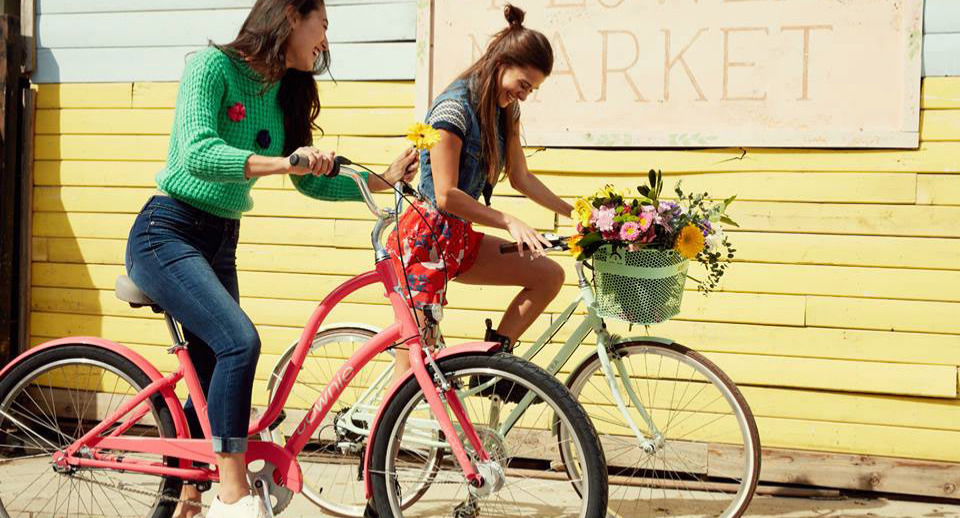
Cruiser Bikes

Originating on the boardwalks and at the beaches, cruiser style bikes are the cadillac of bicycles. 

With big volume balloon style tires and swept back bars you are sitting upright and cruising in comfort all day long!

Pros

  • Comfort
  • Easy rider
  • Super smooth

Cons

  • Heavier than a hybrid or road bike
  • Can be sluggish on the hills
"fixed gear bike"

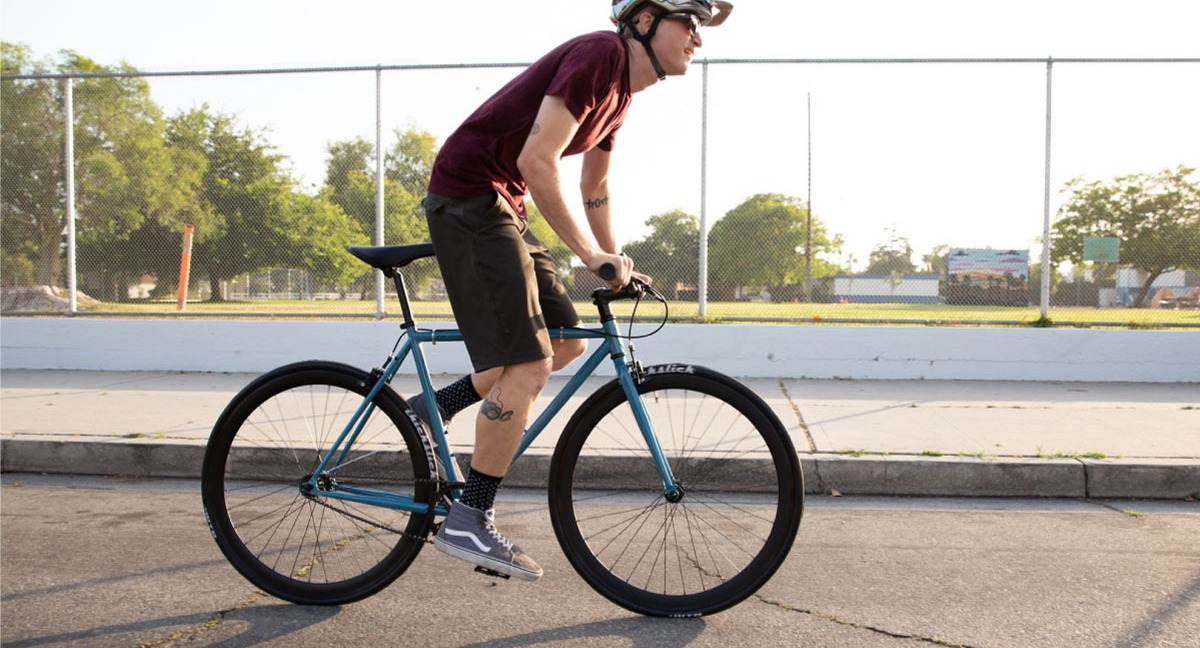
Fixed Gear Bikes

One of the most simple bikes that exist, the "fixie" is a great option for folks looking for a straight forward, uncomplicated setup.

With one gear, you have no derailleurs to worry about or tune.

Pros

  • Simple
  • Durable
  • On the lighter side 

Cons

  • Can be difficult on hills for some folks
  • A commitment to a single gear
"recumbent bike"

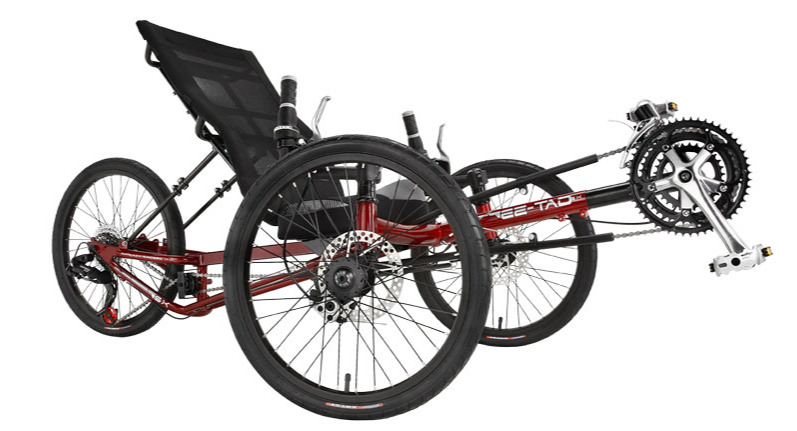
Recumbent Bikes

If you're looking for a more laid approach to your cycling a recumbent bike may just be your answer.

You're in a semi-prone position with your pedals out in front for easy pedaling. Kind of like riding that recliner down the street!

Pros

  • Very comfortable
  • Great for folks with physical and balance challenges
  • Available in 2 wheel and 3 wheel configurations

Cons

  • More cumbersome than a standard bicycle
  • More hard to transport
  • Can be heavy depending on materials
"bmx bike"

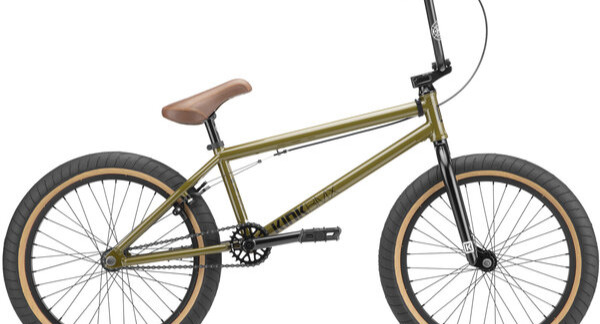
BMX Bikes

Since the 1970's BMX bikes have been at the top of every kids list.

Simple, incredibly durable and they don't take up much space.

Pros

  • Incredibly durable
  • Small in size
  • Generally lightweight vs mountain bikes

Cons

  • Not efficient on long rides due to small wheels and single gear
"kids bikes"

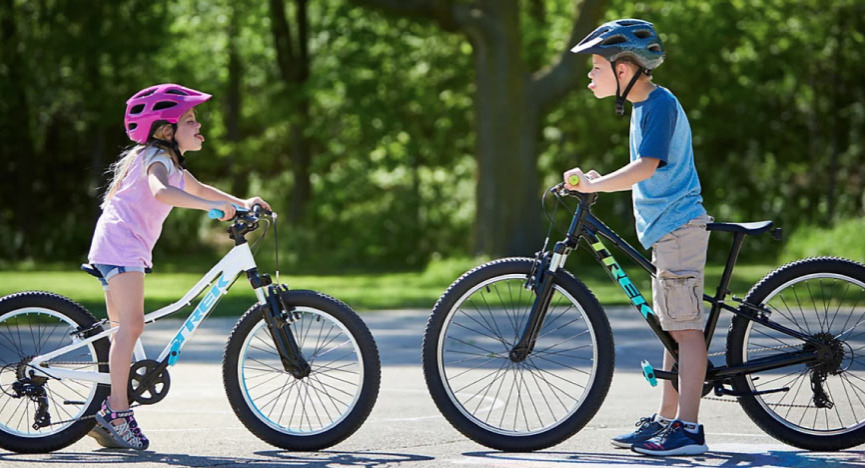
Kids Bikes

The original freedom machine, a bicycle will open up your lil' one's eyes to the great big world.

Avaialble in many different colors and sizes so your kiddo can get what they want and need for a great time!

Pros

  • All the things!

Cons

  • Your kiddos may have too much fun! 

Faq's ---------------------------------------------------------------------------------------------

Should I Buy a Beginner Bike?

Absolutely, purchasing a beginner bike can be a fantastic way to start your cycling journey. However, it's important to strike the right balance between cost and quality.

Beginner bikes often come at a lower price point, which can help you save money for essential gear. Consider investing in crucial accessories like a quality helmet, reliable bike lights, and a sturdy bike lock. This way, you'll be safer and better prepared for your rides.

Things to Consider:

  • Quality vs. Price:
    Opt for an affordable bike that doesn't compromise on quality. A well-made beginner bike will offer durability and comfort, ensuring that your initial experiences are enjoyable.

  • Avoid Super-Cheap Options:
    Steer clear of extremely cheap bikes, often found at big-box stores. These bikes may seem like a bargain but are prone to frequent breakdowns and require constant maintenance.

  • Shop Smart:
    Start by visiting a reputable bike shop. They can guide you in selecting a bike that matches your needs and budget. Plus, they often offer assembly services, ensuring your bike is safe from the get-go.

Investing wisely in your first bike can enhance your cycling experience while also saving you from future inconveniences and expenses. Happy cycling!

Are Expensive Bikes Worth It?

When it comes to bikes, the old adage often holds true: you get what you pay for. However, it's essential to weigh the benefits against the costs, as higher prices don't always equate to proportional improvements.

Performance Boosts

Expensive bikes often come with advanced engineering, featuring lighter frames and premium components from brands like Shimano or SRAM,  designed for precision and durability. This can enhance performance, particularly noticeable in racing contexts where every ounce and millisecond matter.

Assessing Your Needs

If competition is your goal, investing in a high-end bike might give you that competitive edge. But for those who ride primarily for leisure or fitness, a mid-range bike might offer more value. High-quality bikes in the $1,500 to $3,000 range still provide a satisfying ride without breaking the bank.

Long-term Considerations

In terms of longevity, pricier bikes often come with better warranties and customer service. They might also retain their value longer, a consideration if you plan to upgrade in the future.

Making the Decision

Ultimately, whether an expensive bike is worth it depends on your personal cycling goals and budget. For casual riders, reallocating funds for a memorable cycling tour might bring more joy. However, for dedicated amateurs and pros who crave performance, a higher investment could be justifiable.

In conclusion, evaluate how you ride and what you desire from the cycling experience to make the best decision for your circumstances.

How Much Should You Invest in a Bicycle?

Deciding how much to spend on a bike can be a bit overwhelming, but breaking it down by your needs and budget makes it easier. Here's what you should consider:

Understanding the Basics

  • Cruiser and City Bikes: If you're looking for a simple ride around town, aim to spend at least $500. This ensures you're getting a sturdy and reliable bike.

  • Road, Gravel, and Mountain Bikes: For those interested in more specialized or off-road experiences, the starting point is typically around $1,000 for an entry-level model.

Budget for Essentials

Regardless of the type of bike, allocate an additional $200 for essential accessories. These items not only enhance your safety but also your overall cycling experience:

  • Helmet: Protect your head with a quality helmet.
  • Basic Tools: A simple toolkit can save you in minor repair situations.
  • Bike Pump: Ensure your tires are always ready to roll.
  • Lights and Lock: Especially for city riders, these can be crucial for safety and security.

Key Takeaway

Remember, a higher price tag often correlates with better materials and technology, which can improve your riding experience and the bike’s longevity. Evaluate your cycling goals carefully to decide where it's worth spending a bit more.

What Is a Good Inexpensive Bike?

Finding a budget-friendly bike doesn't mean sacrificing quality. Here's a guide to help you choose an affordable yet reliable ride:

Types of Affordable Bikes

  1. Cruiser Bikes: Perfect for leisurely rides around town, these bikes offer comfort and style without breaking the bank. Look for models with simple features and sturdy frames.

  2. City Bikes: Designed for everyday commuting, city bikes provide a balance between performance and cost. They often come with practical features like racks and fenders.

  3. Hybrid Bikes: If you're looking for versatility, hybrids blend the characteristics of road and mountain bikes. They're great for both paved and light off-road trails and are generally budget-friendly.

  4. Entry Level Mtn Bikes: It's tough to be a starter mountain bike as far as versatility goes, they can literally go anywhere with great durability.

What to Consider When Shopping For Your Next Bike

  • Purpose: Determine how you'll mostly use the bike—daily commutes, leisure rides, or occasional trails. This will help narrow down your choices.

  • Material: While high-end bikes use lightweight materials like carbon fiber, you can find robust and affordable options in steel or aluminum.

  • Features: Focus on essential features like gear systems suited to your terrain and comfortable seating.

  • Size: Ensure the bike fits you well to enhance comfort and riding efficiency. Most manufacturers offer size guides to match your height.

By considering these options, you can find a good-quality bike that fits your budget and riding needs. Remember, a little research goes a long way in finding the perfect ride without overspending.

What Type Of Bicycle Is Easiest To Ride?

We Suggest Hybrid Bikes For All Around Easy Riding

With comfortable seating and solid durability, a hybrid bike is a jack-of-all-trades bicycle. Hybrids are the workhorses of the cycling world, great for commuting and general fitness.

Pros

  • Comfy
  • Durable
  • Easy to ride
  • Lower cost of entry
  • Great for commuting

What Makes a Bike Easy to Ride?

When considering what makes a bike easy to ride, it's essential to look at factors like stability, comfort, and fit. A bike that fits properly—neither too large nor too small—ensures better handling and control.

Types of Bikes for Ease of Riding

Among the many categories, cruiser bikes, city bikes, and mountain bikes are renowned for their stability and ease of maneuverability, making them excellent choices for novice riders. These bikes offer straightforward control and a relaxed riding experience, ideal for those just getting into cycling.

By understanding these factors, you can make an informed decision on which bike best suits your riding style and needs. Whether you choose a hybrid for its versatility or another type for its specific strengths, the right choice will make every ride enjoyable.

Do Women Truly Need Women’s Bikes?

When it comes to selecting the right bicycle, many female cyclists wonder if they require a bike specifically designed for women. The truth is, while some bike companies design models with female riders in mind, there's no conclusive scientific evidence that these specialized bikes enhance performance solely based on gender.

What Sets Women's Bikes Apart?

Women's bikes often feature adjustments in frame geometry, saddle design, and handlebar width, aiming to accommodate common anatomical differences. These tweaks can enhance comfort for some, but they're not universally necessary for every female cyclist.

The Importance of Personal Preference

Ultimately, the best bike for any rider—regardless of gender—is one that fits well and feels comfortable. Here’s what women should consider:

  • Fit and Comfort: A well-fitting bike is essential. Pay attention to frame size, reach, and the position that feels most natural.
  • Riding Style: Choose a bike that matches your riding intentions, whether it's road cycling, mountain biking, or commuting.
  • Trial and Error: Trying out different models, including unisex bikes, can offer insight into what suits you best.

Flexibility in Choices

Women should not restrict themselves to only women-specific models. Unisex bikes offer a broad range of styles and sizes, providing flexible options that can cater to various body types and riding preferences.

In conclusion, while women's bikes can offer tailored features, they're not a necessity for every female cyclist. It's all about finding a bike that suits your individual needs and enhances your riding experience, regardless of how it's marketed.

What Type Of Bicycle Is Best For Long Rides?

If longer rides, smelling the roses, and carrying a lot of stuff with you is your thing, then a touring bike should be on your radar. Designed to be very stable and with the ability to carry and haul, a touring bike may just be your next purchase.

Pros:

  • Longer wheelbase means added stability at speed
  • More neutral handling
  • Able to carry heavy weights (loaded panniers, etc.)
  • Durable

Cons:

  • A bit heavier than standard road bikes
  • Not a rocket ship

But what if your long rides take you through different terrains? Choosing the right bike depends on where you'll be pedaling those miles. Here’s a quick guide:

  1. Endurance Road Bike
    Perfect for lengthy rides on pavement, endurance road bikes are built for comfort and efficiency over long distances. They're lightweight and designed to keep you moving swiftly on smooth surfaces.

  2. Gravel Bike
    If you plan to conquer gravel roads, a gravel bike is your best bet. It's versatile, offering a smooth ride on both paved roads and rougher paths, making it ideal for mixed-terrain adventures.

  3. Cross-Country Mountain Bike
    For those who crave the thrill of singletrack trails, a cross-country mountain bike is the way to go. Built for rugged paths, these bikes are nimble and robust, allowing you to tackle off-road challenges with ease.

Each type of bike serves a specific purpose and terrain, so consider where your journey will lead you before making a choice. Whether you're hauling gear on a touring bike or navigating trails on a mountain bike, there's a perfect ride waiting for you.